


Data
Recruitment and redundancy outlook
Stay up to date with the latest recruitment and redundancy trends in the UK.
For Members

A forward-looking indicator of UK labour market trends with unique insights on recruitment, redundancy and pay

The CIPD’s quarterly Labour Market Outlook is one of the most authoritative employment indicators in the UK and provides forward-looking labour market data and analysis on employers’ recruitment, redundancy and pay intentions.
The LMO is published every February, May, August and November. Its insights help HR professionals and employers anticipate labour market movements and to adjust and prepare accordingly. It also feeds into our consultations and engagement with the UK Government and policy-makers.
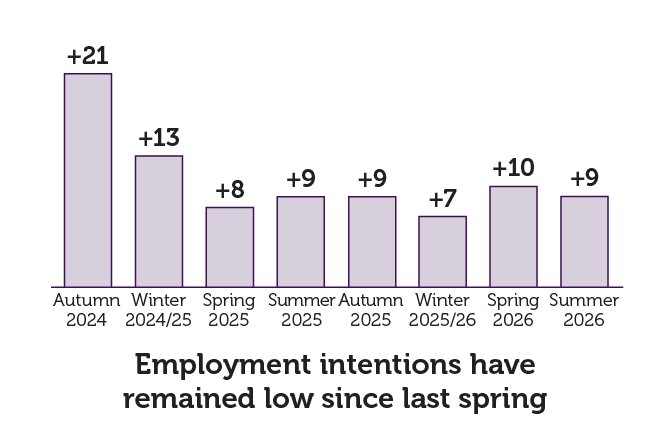
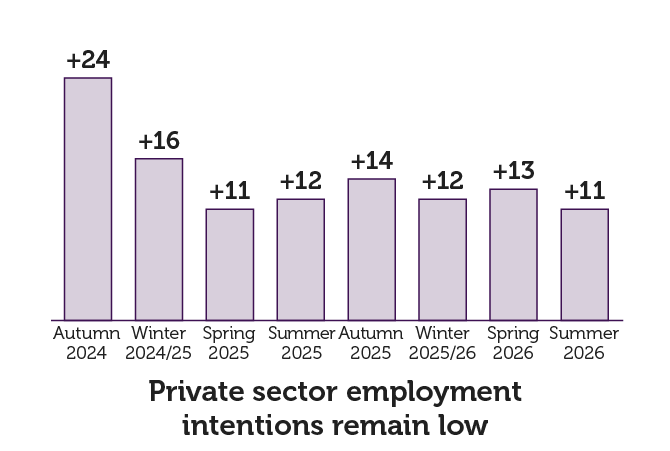
Our latest Labour Market Outlook finds that UK employer confidence remains close to record lows, outside of the pandemic, and has shown no signs of recovery since spring 2025. Of the 2000+ employers surveyed, only 62% of employers plan to recruit over the next three months, with most focusing on maintaining staff levels.
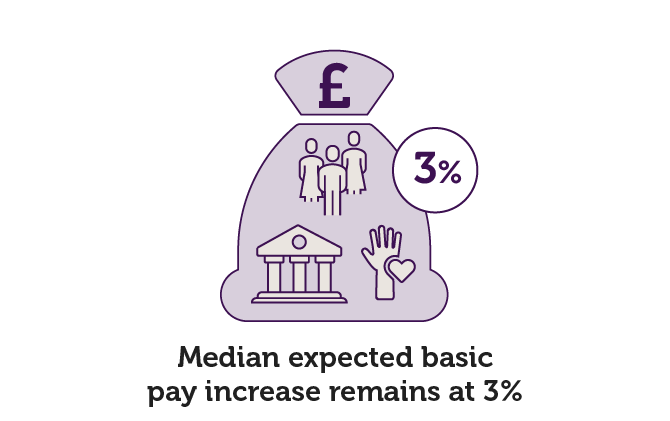
Median expected basic pay awards for the next 12 months remain at 3%, however with inflation set to rise over the coming year, real pay growth is likely to fall below zero.
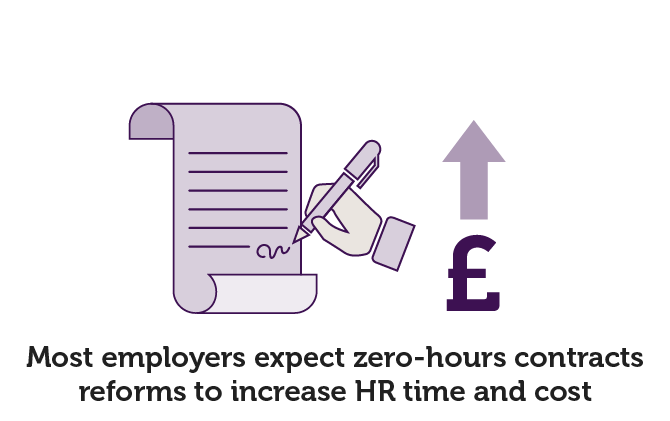
Reforms to zero-hours and low-hours contracts are currently being consulted under the Employment Rights Act 2025. Our survey finds almost half (45%) of employers believe the changes will be difficult to implement, with two-thirds anticipating an increase in both HR and management time and cost.
Download the full report to access in-depth data, sector-specific breakdowns, and expert analysis to inform your workforce planning and strategic decision-making.
Our new resource library, tailored to your career stage—bringing you the insights and tools to stay informed, relevant and confident.
Stay up to date with the latest recruitment and redundancy trends in the UK.

Stay up to date with the latest pay intentions among employers in the UK, with data analysis from the CIPD's Labour Market Outlook report. CIPD members can also download the data for use in your internal organisational benchmarking, discussions, and business cases.

Explore hard-to-fill vacancy trends by industry with data analysis from the CIPD's Labour Market Outlook report. CIPD members can also download the data for use in your internal organisational benchmarking, discussions, and business cases.

Compare your health and wellbeing practices with the latest trends, drawn from CIPD 2026 research data.

Trend analysis and benchmarking data on recruitment, retention and talent management to inform HR and employers on practice considerations and decision-making

An annual benchmark of job quality in the UK, providing data and evidence-based insight on how to improve work and working lives

Insights, benchmarking data and recommendations from the CIPD's latest survey on employee benefits

Based on an assessment of FTSE 100 annual reports and focus groups with investors and HR leaders, this report gives benchmarking data, insights and practical recommendations for improving workforce reporting practices