
Employment law
Public sector outsourcing: Changes under the Employment Rights Act 2025
Understand the impact the changes to public sector outsourcing will have on your TUPE processes
For Members

This report looks at how CEO pay in the UK’s largest firms has changed between the financial years 2015 and 2016
This report from the CIPD and the High Pay Centre examines FTSE 100 CEO pay packages, which show that rewards at the top have dropped by almost a fifth, but still remain extraordinarily high.
While these findings are based on UK data, the broader trends and implications should be of interest wherever you are based.

The report looks at how CEO pay in the UK’s largest firms has changed between the financial year to 2015 and the financial year to 2016. It finds that over this period, FTSE 100 CEO remuneration has fallen by 17%, from £5.4 million in 2015 to £4.5 million in 2016.
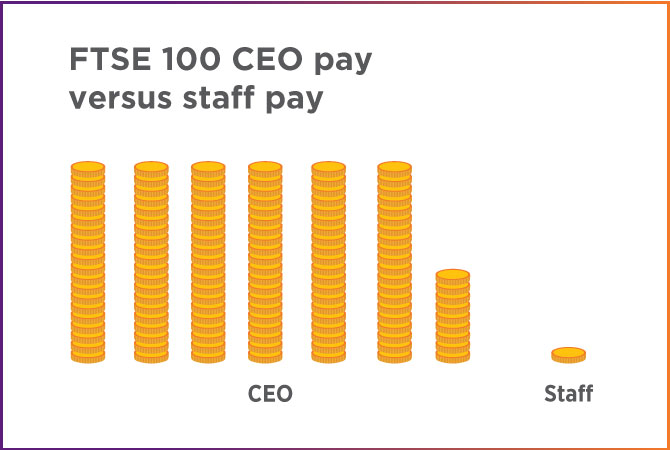
However, while there has been a significant drop in CEO pay, it would still take the average UK full-time worker on a salary of £28,000 (median full-time earnings) 160 years to earn what an average FTSE 100 CEO is paid in just one year. Although the average pay packages of the 25 highest paid CEOs have dropped by 24% to £9.4m in 2016, rewards for the 32 lowest paid chief executives in the FTSE 100 have increased as firms ‘chase the median’.
The CIPD and the High Pay Centre look forward to seeing the UK Government’s responsible business reforms when they come out later this year.
We would encourage companies to disclose:
Understand the impact the changes to public sector outsourcing will have on your TUPE processes

Introduces the basics of reward, which includes pay and benefits, and outlines the UK legal position

This page explains the key elements of UK employment law that people professionals need to know and understand around pay, reward and pensions. This page includes evolving case law to show how legislation is being applied in practice

Guidance on navigating voluntary ethnicity pay reporting

Trend analysis and benchmarking data on recruitment, retention and talent management to inform HR and employers on practice considerations and decision-making

Dedicated analysis of job quality and its impact on organisations and working lives in Scotland

Read our latest Labour Market Outlook report for analysis on employers’ recruitment, redundancy and pay intentions

An annual benchmark of job quality in the UK, providing data and evidence-based insight on how to improve work and working lives